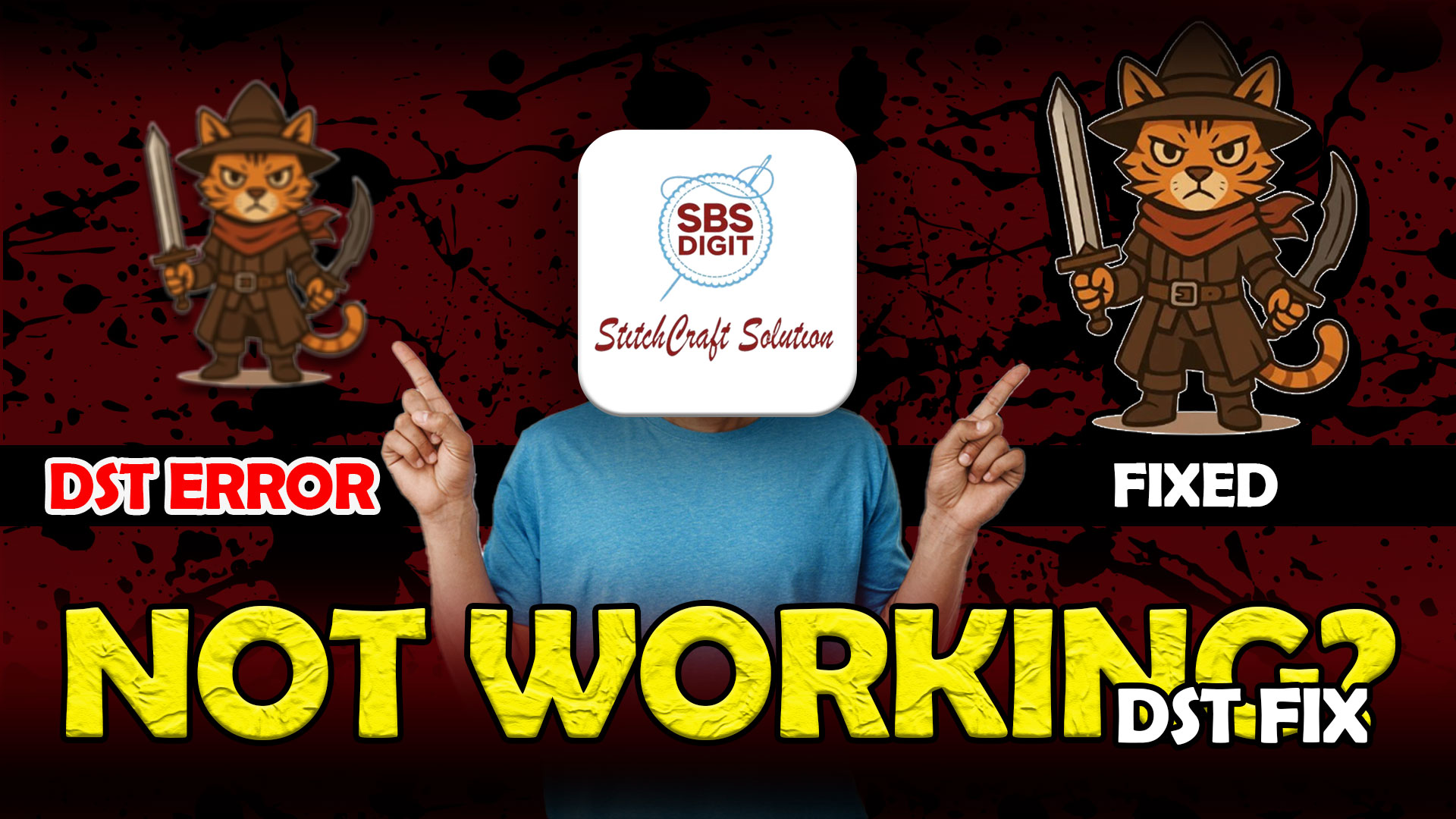
If your DST file isn’t working on your embroidery machine, you’re not alone. This is one of the most common problems beginners and even experienced users face.
In many cases, the issue isn’t your machine it’s the file itself. That’s why professional services like SBS Digit focus on how designs actually stitch on real fabric, not just how they look on screen.
Whether you’re working on an applique logo, 3D puff embroidery hats, even a small mistake in digitizing can cause your DST file to fail.
Let’s break down the real reasons.
What Is a DST File and Why It Matters
A DST file is the format your embroidery machine reads to create stitches.
It controls:
-
stitch direction
-
stitch type
-
sequence
-
density
If any of these are wrong, your machine will either reject the file or produce bad results.
The Real Reasons Your DST File Is Not Working
1. Incorrect Digitizing (Most Common Problem)
If the file is not properly digitized, your machine won’t handle it correctly.
This is especially true for:
-
applique embroidery designs
-
logo applique
-
3D puff embroidery
Auto-converted files often miss critical stitch details.
2. Unsupported File Format or Version
Not all DST files are the same.
Some machines:
-
require specific settings
-
reject certain stitch limits
If the file isn’t optimized for your machine, it may not load.
3. Too Many Stitches or High Density
Overloaded designs can cause:
-
thread breaks
-
machine lag
-
stitching errors
This happens a lot in:
-
3D puff embroidery digitizing
-
detailed logos
4. Poor Artwork Preparation
If your original design is messy, the DST file will be worse.
Problems include:
-
too much detail
-
unclear shapes
-
bad scaling
This affects:
-
embroidery applique
-
patch designs
5. Wrong Size or Scaling Issues
Resizing a DST file after digitizing can break everything.
Stitch density and proportions get distorted.
This is critical for:
-
3D puff embroidery hats
-
custom applique embroidery
6. Thread Path and Sequence Errors
Bad sequencing can cause:
-
overlapping stitches
-
messy output
-
machine confusion
Especially in:
-
applique digitizing
-
layered embroidery
Why Auto Conversion Often Fails
Many people use quick tools to convert designs into DST files.
The problem?
These tools don’t understand:
-
fabric behavior
-
stitch logic
-
layering in applique embroidery
-
depth in 3D embroidery
So even if the file opens, it won’t stitch properly.
How to Fix Your DST File Issues
Here’s what you can do:
✔ Use clean, high-quality artwork
✔ simplify your design
✔ avoid too many small details
✔ set correct size before digitizing
✔ test stitch before production
And most importantly avoid relying only on auto tools
Why Professionals Get Better Results
The difference is simple
Beginners focus on design
Professionals focus on stitching
SBS Digit ensures:
-
correct stitch paths
-
proper density
-
optimized files for machines
-
clean results for applique logo and 3D puff embroidery hats
If you’re serious about quality this is where most professionals eventually land after trying other options so why not see the difference for yourself Try a free first trial and experience the quality firsthand
Final Thoughts
If your DST file isn’t working, the issue is rarely your machine.
It’s usually:
-
poor digitizing
-
bad artwork
-
incorrect settings
Fix those, and your embroidery results will improve instantly.
Get your design digitized with a free first trial
SBS DIGIT
One good sample is enough to see the difference in quality.